History of Gokarna: temples, legends, coast, and culture
Gokarna is often introduced through its beaches, but its older identity is spiritual. The town's name, temple streets, ritual routes, and festival calendar are tied to stories of Shiva, the Atmalinga, and a coastline that has welcomed pilgrims, traders, students, backpackers, and slow travellers in different eras.
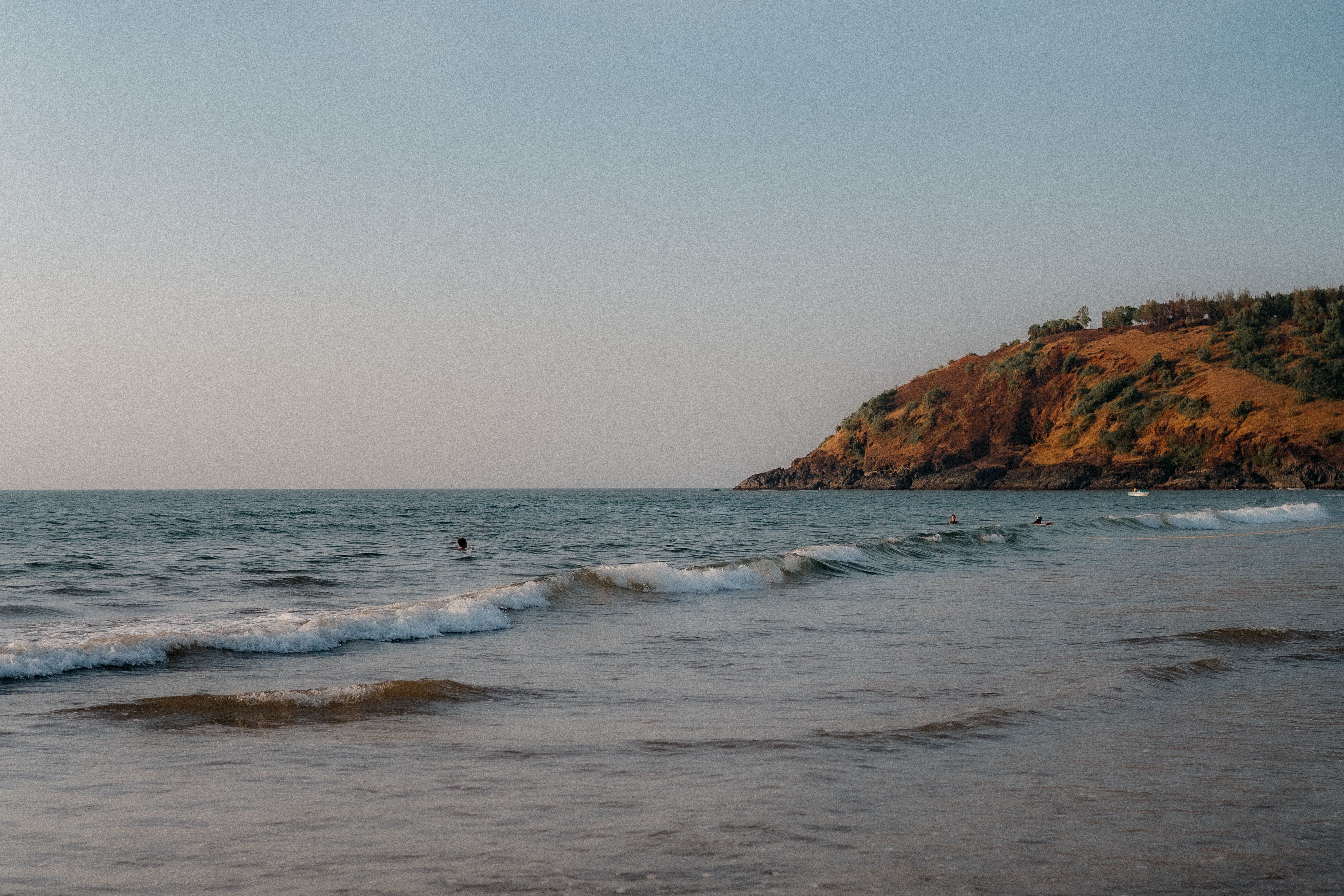
Sacred origins: why Gokarna matters
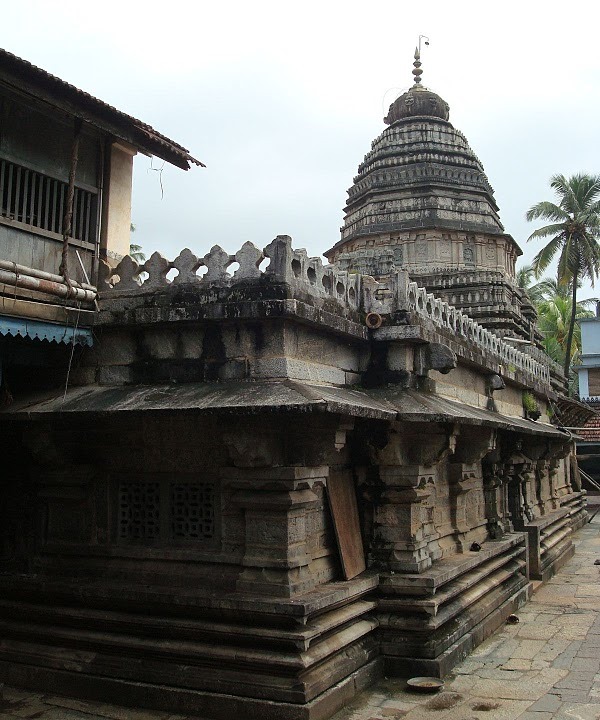
The word Gokarna is commonly translated as "cow's ear", a name connected to local sacred geography and mythology. In the best-known legend, Ravana receives the Atmalinga from Shiva, but the linga becomes fixed at Gokarna. That story is why many pilgrims still treat Gokarna as more than a beach stop: it is a place of worship, vows, rituals, and family visits.
The Mahabaleshwar Temple is central to this identity. Travel and temple histories often describe it as an ancient Dravidian-style Shiva temple, with some accounts dating its origins to the Kadamba period. Whether a visitor comes for architecture, mythology, or devotion, the old town is the best place to understand Gokarna's deeper rhythm.
The temple town before the travel trend
For generations, Gokarna's movement was shaped by temple life: morning rituals, festival gatherings, family pilgrimages, Sanskrit learning, local markets, and walks between shrines. The Mahabaleshwar Temple, Maha Ganapati Temple, Bhadrakali Temple, and Koti Teertha area still anchor the town's traditional circuit.
This matters for travellers because Gokarna is not just a coastal backdrop. Dress codes, temple etiquette, festival crowds, and local customs can affect the way a day unfolds. If you want a culture-first visit, pair the temple lane with a respectful ritual walk and then slow down at a local meal rather than rushing straight to the beach.
How the beaches changed Gokarna's travel story
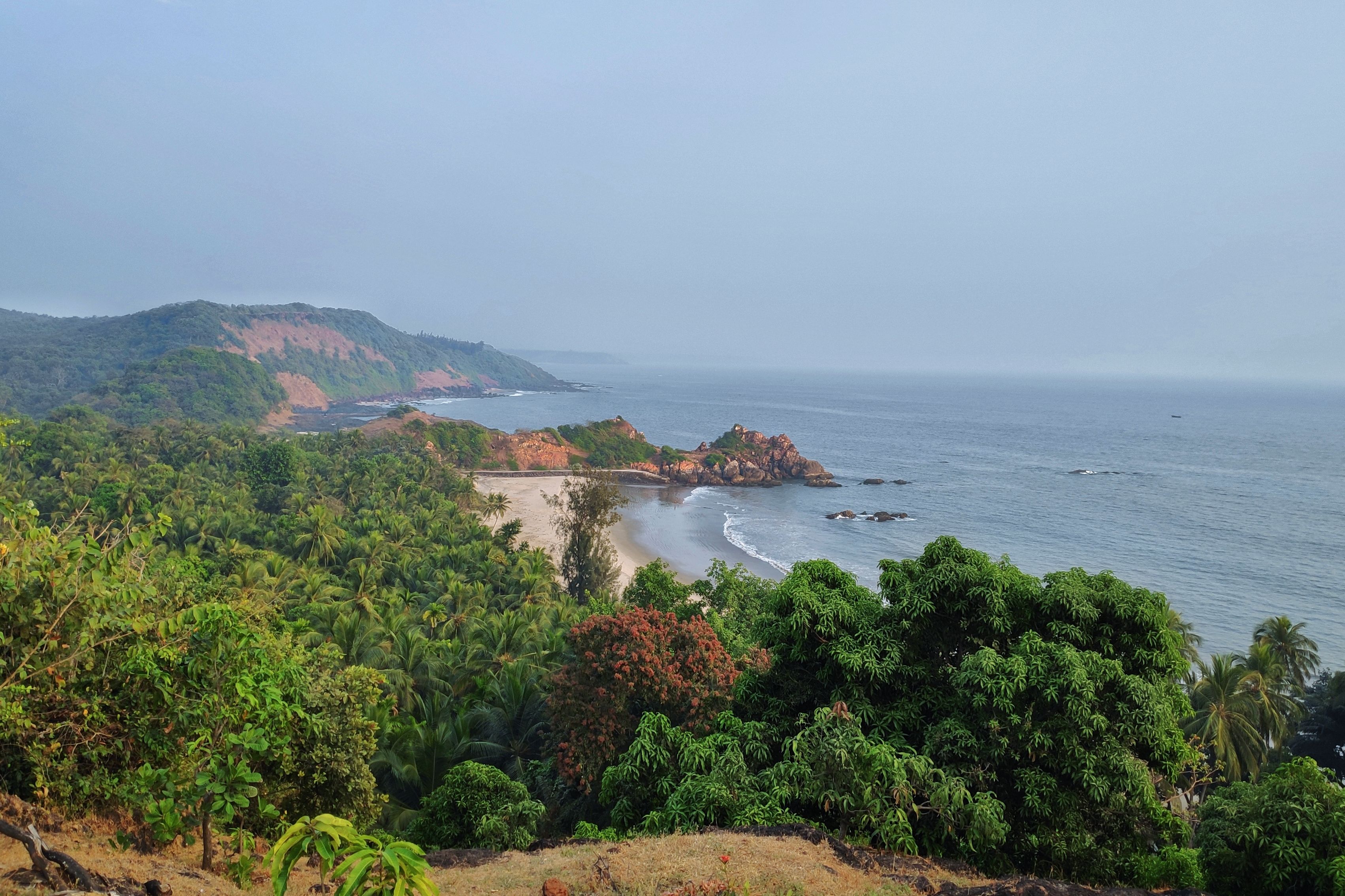
Over time, Gokarna also became known for Om Beach, Kudle Beach, Half Moon Beach, Paradise Beach, and cliffside trails. This did not replace the temple town; it added another layer. The modern Gokarna itinerary often moves between two worlds: the sacred lanes near Mahabaleshwar Temple and the open coast where travellers come for sunsets, treks, shacks, swims, and unhurried days.
That mix is exactly what makes planning important. A good Gokarna trip respects temple timings, beach weather, tide windows, transport gaps, and the mood of the group. For curated ideas, explore our Gokarna experience tiers or browse the trip stories gallery.
Gokarna today: pilgrimage, nature, and slow travel
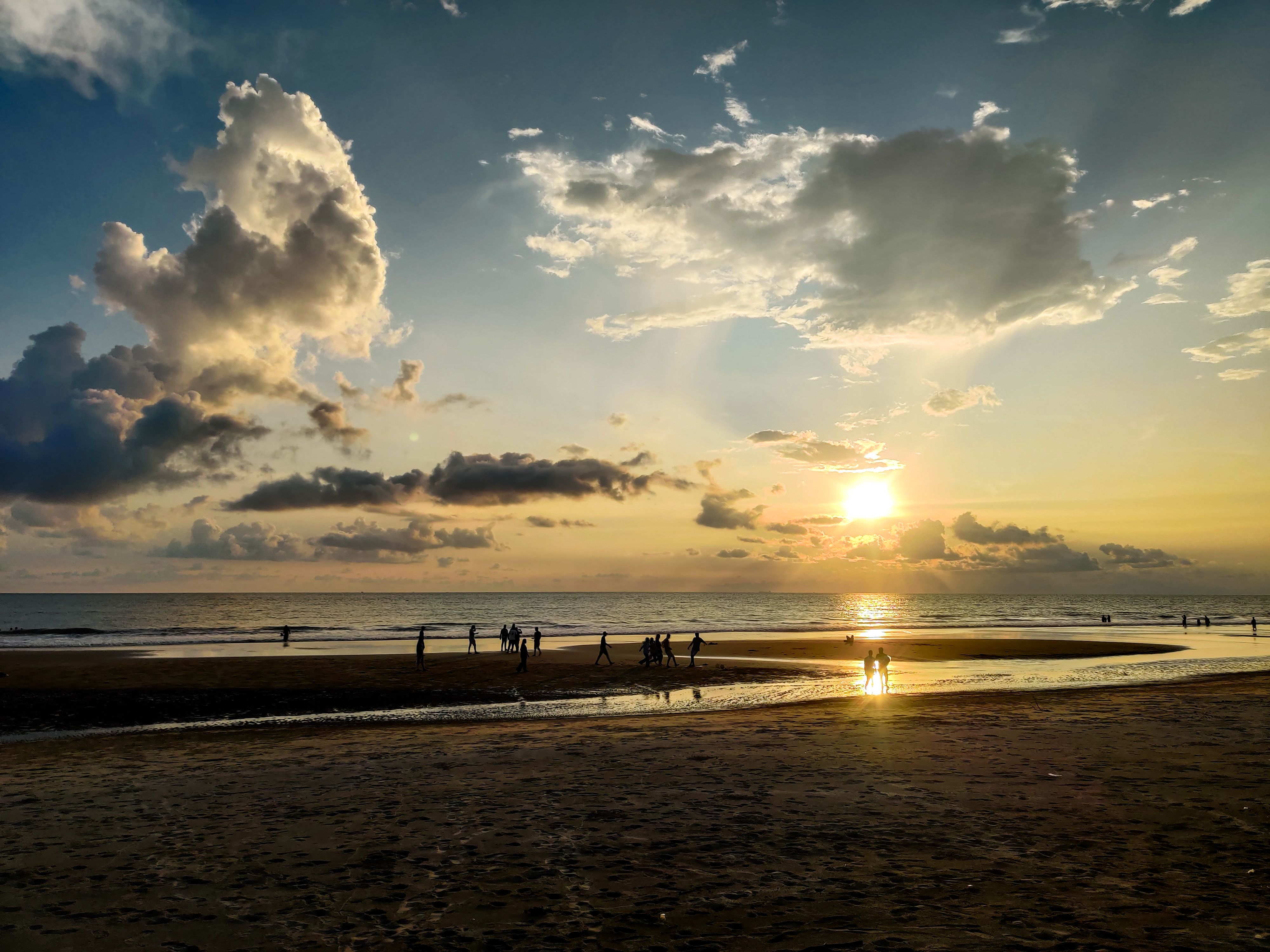
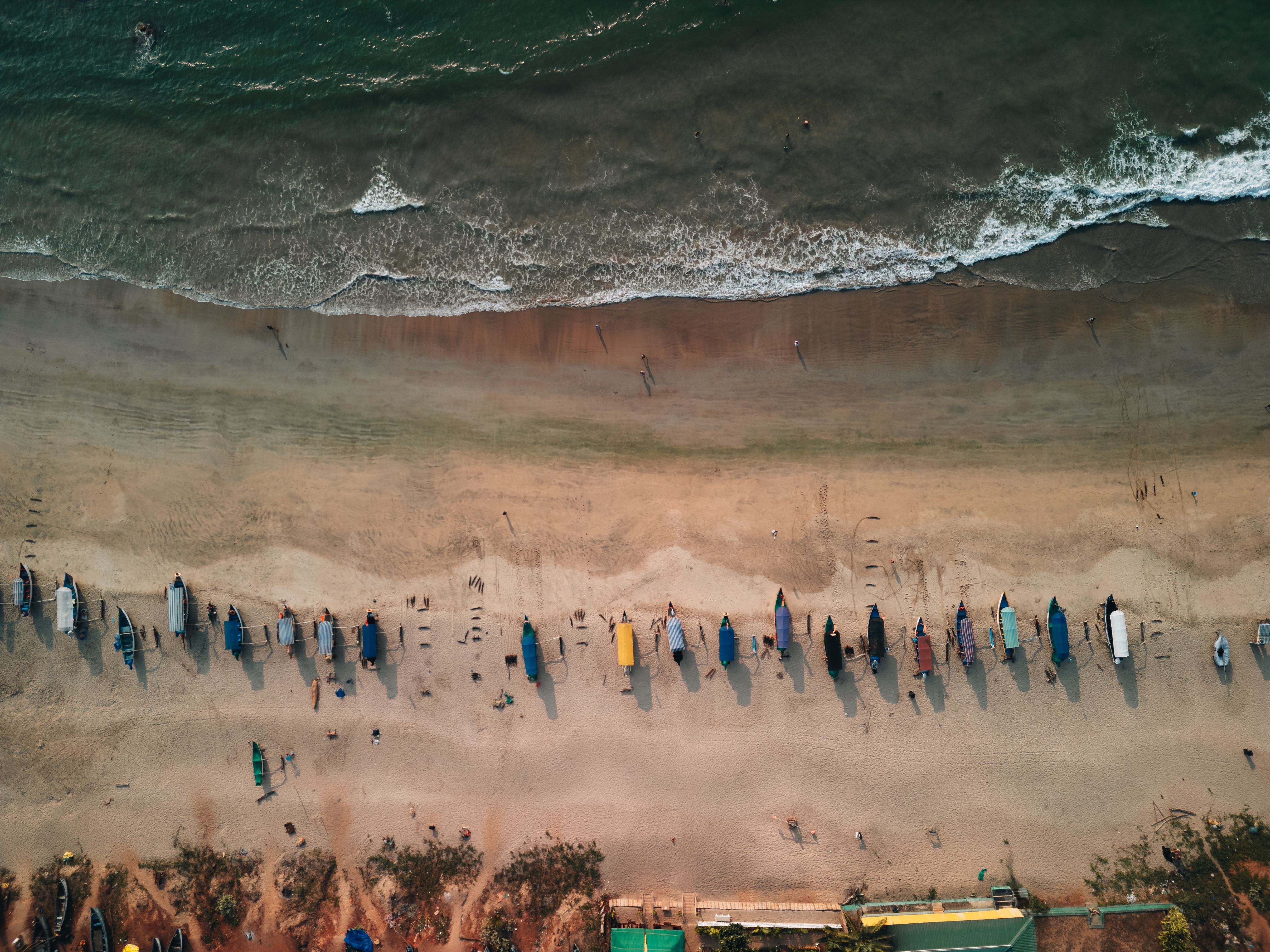
Today, Gokarna works for very different travellers: families visiting temples, couples planning a quiet coastal break, solo travellers looking for structure, friend groups escaping from Bengaluru or Mumbai, and teams planning intimate offsites. The best trips do not flatten Gokarna into one label. They let the town be spiritual in the morning, adventurous in the afternoon, and slow by sunset.
If you are planning your first visit, start by deciding what you want the trip to feel like. Do you want a temple-led cultural itinerary, a beach-hop trek, a food and local story day, or a balanced route with a little of everything? That intent will shape the right stay, transport, guide, and pace.
FAQ: history of Gokarna
What is Gokarna famous for?
Gokarna is famous for the Mahabaleshwar Temple, Shiva pilgrimage traditions, Om Beach, Kudle Beach, coastal treks, and slow-travel beach stays.
Is Gokarna only a beach destination?
No. Gokarna is both a temple town and a beach destination. Its older identity is rooted in pilgrimage, mythology, and temple culture.
What should I include in a culture-focused Gokarna trip?
Include the Mahabaleshwar Temple area, Maha Ganapati Temple, Koti Teertha, a respectful temple walk, local food, and enough time to understand the town before heading to the beaches.
Keep planning
Back to all blogs About Discover Gokarna Compare experience tiers Ask for a custom itineraryBuild your trip with context
Want Gokarna planned around both its history and its coast?
Tell us your dates, group size, comfort level, and travel mood. We will shape a Gokarna plan that balances temples, beaches, food, transport, local hosts, and live support.
Start Trip Intake